Sale Baskets and Shelf Space: A Calm CBD Shopper’s Plan for November 2026

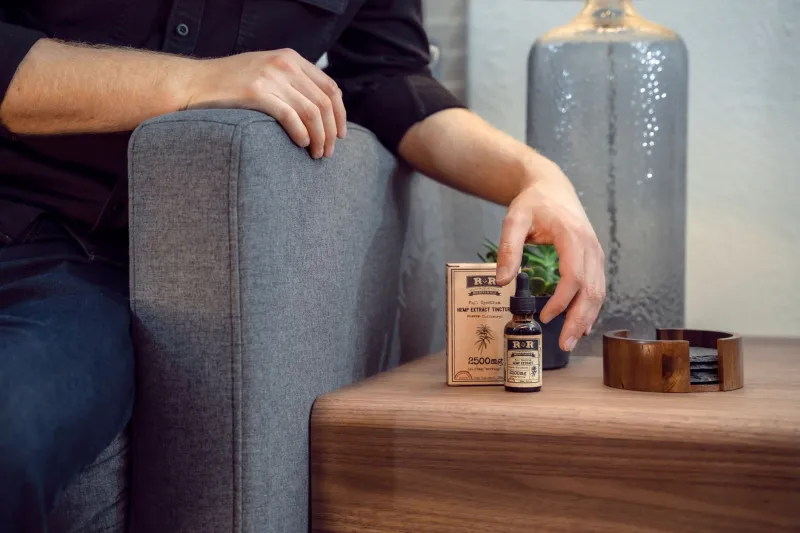
Photo: Stephen McKay, CC BY-SA 2.0, via Wikimedia Commons
Black Friday 2026 is still a couple of weeks away — 27 November, if you’re marking the calendar — but the “early access” banners have already started. For anyone who uses CBD as part of a everyday wind-down, that can feel like a welcome excuse to stock up. It can also feel like a race. One minute you’re comparing two bottles; the next you’ve got six in a basket and a vague sense that you’ve saved money on something you may not finish.
This isn’t an argument against sales. A genuine discount on a product you already know and like is one of the nicer bits of modern shopping. The trick is to buy like someone who has to store the stuff afterwards. Calm consumerism, if you like: a clear head, a short list, and a realistic idea of what will actually get used before the best-before date.
Start with the bottle you have, not the banner you see
Before you open a single sale page, go and look at your current bottle. Not the one at the back of the cupboard — the one you’re actually using. How much is left? How long has it lasted? If a 10ml bottle usually sees you through six weeks, a “buy three, save 20%” offer is not automatically a bargain. It’s a six-month supply with a smaller price tag.
That matters because CBD oil is not a novelty candle. Once opened, it has a shelf life, and even unopened bottles don’t stay fresh forever. Buying a year’s worth because the discount looked dramatic is how people end up with a cupboard full of half-remembered brands and a nagging feeling that they should use them up before they go off.
A useful rule for November 2026: only buy what you can comfortably finish before the best-before date, plus perhaps one spare. If you use one bottle every six weeks, two or three bottles is a sensible sale purchase. Eight is a small warehouse.
The only maths that matters: price per milligram
CBD discounts are often advertised as a percentage off, which is easy to read and easy to inflate. The more honest comparison is price per milligram of CBD. It lets you compare a 10ml bottle at 5% with a 30ml bottle at 10% without getting lost in the packaging.
Take the total CBD content — usually shown as milligrams per bottle, or as a percentage you can convert — and divide the sale price by that number. A £30 bottle containing 500mg is 6p per mg. A £45 bottle containing 1,000mg is 4.5p per mg. The second is better value per mg, but only if you’ll use 1,000mg before it goes stale. If not, the cheaper bottle is the better buy.
It also helps to compare like with like. A broad-spectrum oil, a full-spectrum oil and an isolate product are not interchangeable just because they sit under the same sale banner. If you already know which type suits you, filter by that first. If you don’t, Black Friday is not the moment to buy three unfamiliar formats and hope for the best. Buy one, try it, then decide.
Batch codes and best-before dates are not admin
A reputable UK CBD product should give you enough information to trace it. Look for a batch number, a best-before date, and clear cannabinoid content on the label or product page. Some brands also publish certificates of analysis, which show what was tested and when. You don’t need to become a lab auditor overnight, but a quick check is worth the two minutes.
Why does this matter in a sale? Because old stock is sometimes discounted more heavily. That isn’t automatically a red flag — a short best-before date can be a perfectly honest reason for a lower price — but you should know what you’re buying. If a bottle expires in March 2027 and you use it slowly, the saving may not be real. If it expires in late 2027 and you’ll finish it by summer, fine.
Be wary of product pages that are vague about strength, volume or ingredients. A sale is not a licence to skip the small print. If anything, it’s the moment to read it properly, because the clock is ticking and the returns window may be shorter than you think.
Fake urgency has a tell
Countdown timers, “only 3 left” warnings and phrases like “last chance before Black Friday” are designed to make a decision feel bigger than it is. Some of them are true. Many are not. The tell is usually repetition: the same urgent message appears on every product, or the timer resets when you refresh the page.
A calmer approach is to put the item in the basket and leave it there for an hour. Not to play games with the retailer, but to give yourself a pause. Does it still look like good value? Can you name where it will go in the cupboard? Do you actually need it, or are you buying because the page is noisy?
If a deal is genuine, it will usually still be there after a cup of tea. If it vanishes, that tells you something too.
A simple plan for 27 November 2026
Make a short list before the day itself. Two or three products, maximum. Note the strength, the format and the price per mg you’re willing to pay. Check the best-before date on the listing. Then buy only from that list, and only if the saving is clear against the price you’d normally pay.
It also helps to set a budget in pounds, not in percentages. “I’ll spend £60 on CBD this month” is easier to stick to than “I’ll take advantage of the offers”. Percentages flatter; budgets protect.
And remember that Cyber Monday follows on 30 November. There is no need to panic-buy on the Friday. If you miss one offer, another usually appears. The goal is not to win Black Friday. It’s to have a calm supply of a product you trust, at a price that makes sense.
The cupboard test
Before you check out, picture your kitchen cupboard. Is there room for this bottle? Will you remember it’s there? Can you see yourself using it in February without feeling like you’re working through a backlog?
If the answer is yes, the discount has done its job. If the answer is a vague shrug, close the tab. A good sale should make your routine simpler, not turn it into a stock control exercise. Buy the bottle you’ll use, check the date, do the maths, and let the rest of the noise go.