Bottles Do Not Last Forever: A Realistic Guide to CBD Storage and Shelf Life
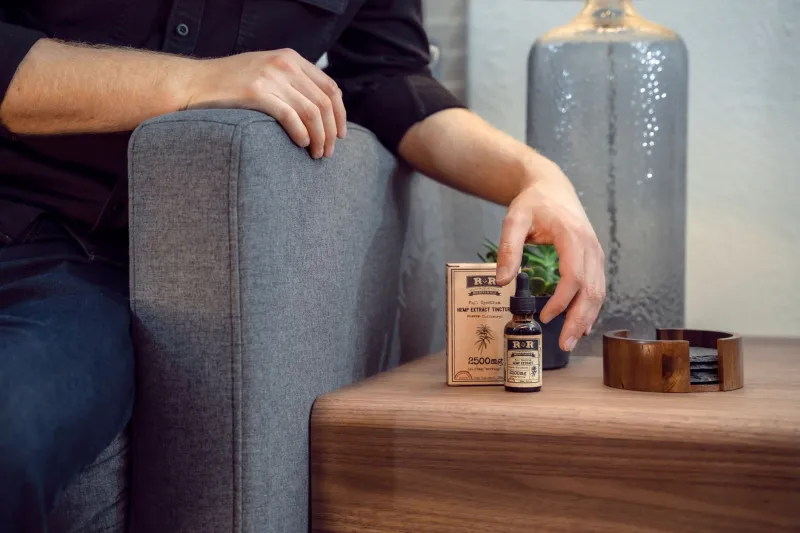
Most people keep their CBD oil in one of three places: the kitchen windowsill, the bathroom cabinet, or wherever it happened to land on the day it arrived and has stayed ever since. All three are worth a second thought, and none of them are a disaster.
This is not a warning piece. It is the practical version of a question that comes up constantly: does this stuff go off, and how would I know?
What Is Actually in the Bottle
A typical UK CBD oil is a cannabinoid extract suspended in a carrier oil, most often MCT (from coconut) or cold-pressed hemp seed oil. There may be added terpenes and a flavouring. That is basically it.
Two separate things deteriorate over time. The first is the oil itself, which can go rancid in the same way any cooking oil does. The second is the cannabinoid content, which degrades gradually, mostly in response to light, heat and oxygen. Neither process is instant, and neither is dangerous in the way that a spoiled dairy product is. But a bottle that has spent six months next to a radiator will not be the bottle you bought.
The Bathroom Is the Worst Room in the House
It is where most people keep theirs, because it is where the toothbrush is and the morning routine happens. It is also the room with the most steam, the widest temperature swings and, often, a south-facing window.
Regular exposure to warm, humid air is unkind to oil. It does not destroy a bottle overnight, but a bathroom cabinet is the worst of the convenient options. The kitchen is better, as long as it is a cupboard away from the hob and not the windowsill above the sink, where sunlight and heat both do their work.
The genuinely bad spot is the car. Gloveboxes get hot enough to soften chocolate in March. A bottle left in there over a summer is worth replacing, not rescuing.
Where to Keep It Instead
A dark cupboard at room temperature is ideal. A bedroom drawer works. A box in a cool hallway works. The two things you are chasing are darkness and stability, and stability matters more than people expect: a bottle that sits at a steady eighteen degrees does better than one that goes from cold to warm and back again.
On the fridge question, the answer is that it is usually unnecessary. If your kitchen genuinely gets hot in summer, a fridge is a reasonable choice, but be aware that cold oil thickens and can look cloudy. Let the bottle come up to room temperature before you use it, and wipe any condensation off the outside before putting it back. Do not store it in the door, which is the warmest and most jolted part of the fridge.
Reading the Dates and Batch Codes
UK CBD products normally carry a best before date rather than a use by date. Best before is a quality marker: the product is at its best up to that point, and it will not become unsafe the day after. Use by is a safety marker and applies to perishable food. If you see a best before date on your oil, treat it as a soft line rather than a cliff edge.
The batch or lot number is the part most people ignore, and it is arguably more useful. Reputable UK brands publish a certificate of analysis for each batch, which tells you the measured cannabinoid content and confirms the absence of contaminants. If the batch code on your bottle can be matched to a report on the brand's website, you are dealing with someone who is keeping records. If there is no batch code and no report anywhere, that tells you something too.
Also check what the label says about strength. CBD is usually listed as milligrams per bottle and milligrams per millilitre. A bottle described as 1000mg in a 10ml bottle is 100mg per ml, which is a very different proposition from 1000mg in a 30ml bottle. Knowing the concentration helps you notice if a product seems weaker than it used to.
The Signs It Is Time to Stop
Your nose and tongue are better tools than any date stamp.
Rancid oil smells like old nuts, crayons or a long-forgotten bag of seeds at the back of a cupboard. The taste turns sharp and slightly soapy. Fresh CBD oil has an earthy, grassy, sometimes bitter character, which is normal, but it should not make you recoil.
Look at the bottle as well. A noticeable darkening is a hint. Cloudiness at room temperature that does not clear is another. Sediment that was not there before is worth noting. The dropper itself is a common failure point: if the rubber bulb has gone tacky or stiff, the oil has probably been sitting somewhere warm for a while.
One thing that is not a problem is crystallisation or clouding in the cold. Some oils do this and return to normal as they warm up. It is a cosmetic issue, not a spoilage one.
A Few Myths Worth Putting Down
CBD oil does not last indefinitely, however carefully you store it. Opened bottles are best used within a few months of first opening, and writing the date you opened it on the label with a marker is a genuinely useful habit.
Nor does adding a few drops to a hot drink ruin it. Boiling it vigorously for a long time is not ideal, but stirring it into tea that has cooled slightly is exactly how most people take it and it is fine.
And cloudy does not automatically mean spoiled, as above. Judge by smell and taste first.
The Five-Minute Seasonal Sort-Out
Once a season, gather every bottle in the house. That includes the one in your bag and the one in the desk drawer at work. Check the dates, check the batch codes, and put the oldest at the front so it gets used first. Bin anything that smells wrong, and stop buying a second bottle until the first one is finished.
That is the whole system. No special storage box, no monitoring, no spreadsheet. Just a dark cupboard, a marker pen and an occasional honest sniff.